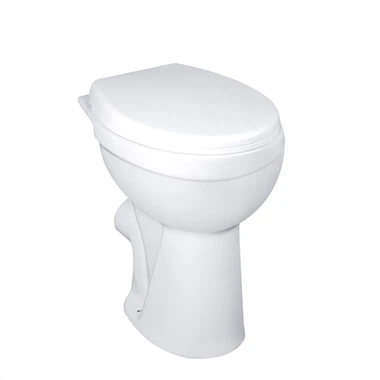
Siphonic Vs. Washdown Toilet (9 Differences)
Mar 30, 2023
Siphonic Vs. Washdown Toilet (9 Differences)
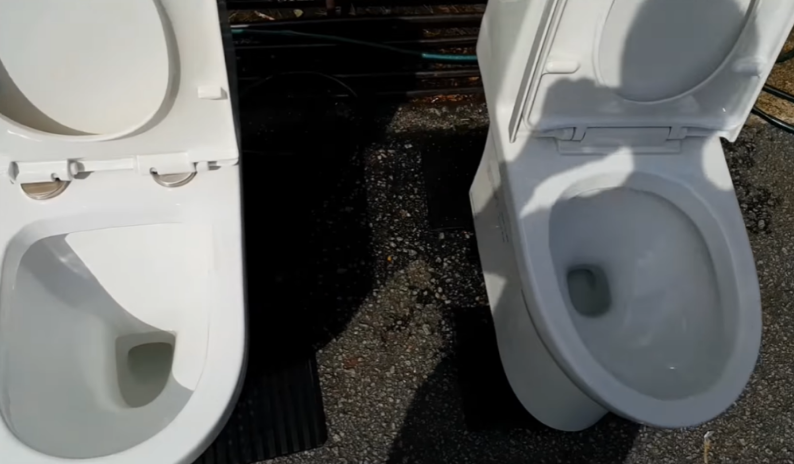
Most people are unaware of how toilets work and that a few different types are available on the market. Even though the toilet flush system is not too complicated, it is crucial to differentiate the siphonic vs. washdown toilet type.
As you know, the base of toilet flush is utilizing the water power to push waste out to the sewage system or cesspit. Nowadays, the essential question is how to minimalize the water amount for this purpose. Therefore, you should check both options featuring different flushing technologies and reduce adverse effects on the environment.
Siphonic Vs. Washdown Toilet: Toilet Flush Systems
Believe it or not, it is almost impossible for one flush to transport all the solid waste from the toilet to the public sewer system. In reality, water after a toilet flush moves that waste at some distance from the toilet fixture, regardless of the amount used.
Then, water from your bath, shower, washing machine, and faucets helps move the waste along the drainage system until reaching the sewer in the end. You can find a few toilet flush system types, including:
Siphon jet flush
Gravity washdown flush
Single-flush
Dual flush
Pressure-assisted (vacuum)
Rear toilet flush
Flapper-flush valve
Double cyclone
The tornado
They also come in several designs, such as:
Tanks with single buttons
Tanks with dual push-buttons
Tanks with levers (handles)
Tanks with a skirted bowl base
Tanks with curved trap ways
Tower tank style
Small or large tanks
What Is Siphonic Toilet
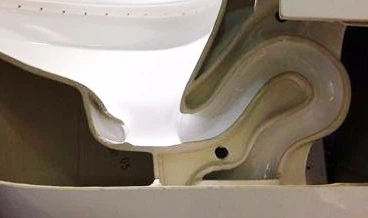
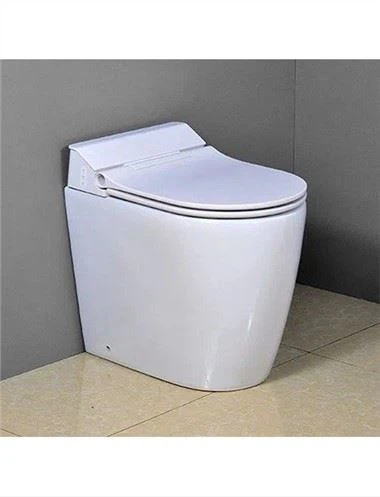
Siphonic toilets feature a long, narrow, S-shaped trap way that runs the toilet length from the bowl inlet to the drainpipe. This design includes a water level to stay above the bowl outlet, leaving a large water surface inside after flushing.
The idea was to modify the gravity washdown. This trap way version has a siphon for collecting and discharging waste and higher pressure for the flush.
The drain pipe is filled with air, and the trap way creates a partial vacuum. That prevents sewer gas odor in the bathroom and allows waste matter to be sucked down the drainpipes.
This long sleek toilet type that decreases the water stream speed when leaving the toilet bowl has been popular in the US for decades. It also provides:
A frictionless water exit
Increasing the flowing ease
Reducing the bacteria and dirt accumulation on the toilet surface
Less clogging
Way The Siphonic Toilets Work
The siphonic toilets start working when you pull the lever. At that moment, the flush valve opens, and water flows into the toilet bowl from the tank. You can see that the water level rises for a while and then suddenly goes through the bowl outlet.
This momentary stoppage appears because of the difference in the pipes’ diameter. Once the water goes through the trap way, it displaces the air inside. As a result, it forms a vacuum and decreases water in the toilet with or without a swirl, depending on the toilet model.
Since the siphon is exceptionally strong, it sucks the heavy solid waste out along with the water. Once the vacuum is broken at the flush end, you will hear babbling, and then clear water comes to the bowl and refills the tank.
Siphonic Toilet Advantages And Downsides
Pros
Flush is powerful and quiet without the necessity for multiple flushing
A higher water level makes a toilet bowl clean and without odor
Skid marks are negligible
Cons
A narrow and long trap way shape increases the possibility of clogging
An elongated toilet bowl is too big and impractical for small bathrooms
It has high water demands and requires over 6 gallons (22.7 l) of water to flush properly
What Is Washdown Toilet
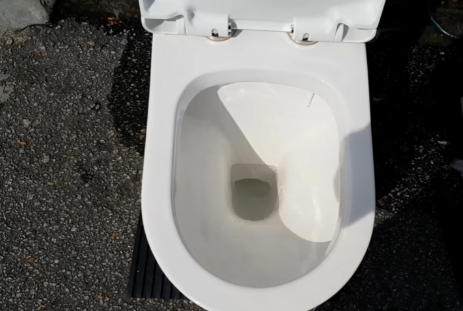
Washdown toilets are rare on the American market, but it is possible to find them. On the other hand, most European countries use this kind of toilet.
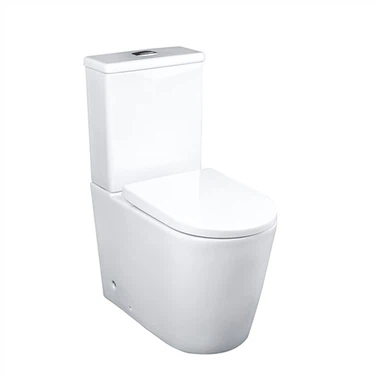
The toilet’s trap way diameter is about 4 inches (10 cm), and it is shorter and twice the size of the siphonic one. It ends with the bowl outlet of only 4 by 5 inches (10 x 12.7 cm) and the same water surface area placed at a depth.
The result is the water level that never goes above the bowl’s outlet rim, and this toilet type comes with a small water surface area. It typically has a flush push button instead an old-fashioned lever, while modern models come with a dual flushing mechanism for more efficient water use.
This toilet also has a skirted design and short body length. Its primary advantage is water saving, making it an environmentally friendly solution.
Way The Washdown Toilets Work
The washdown flush system is an old, primary design with a leaner working mechanism and doesn’t need additional action. It uses the water weight, the gravitational water flows, and the pressure water makes after leaving the tank to push waste into the trap way.
Since the trap way is wide and short, waste quickly enters it, thanks to the water’s sheer force after pushing the button.
Since the waste’s mass is heavier than water from the tank, a low water volume in the toilet bowl is enough to push it out instantly. Modern models have a dual flush push button, making this toilet type highly water-efficient.
Washdown Toilet Advantages And Downsides
Pros
Pipes are wide with a small curvature, taking advantage of the gravity to efficiently flush
High flushing power, thicker pipe diameter, and concentrated water flow often prevent pipe clogging
Dual versions use less water for working, saving gallons of water daily
Compact size and a short bowl base save space
Easy to maintain
Low cost
Cons
The inside flushing power is not too strong
Flush is noisy
Low water level results in bowl streaking, splashing, and ugly skid marks
It often requires more flush
It is smelly and prone to sweating
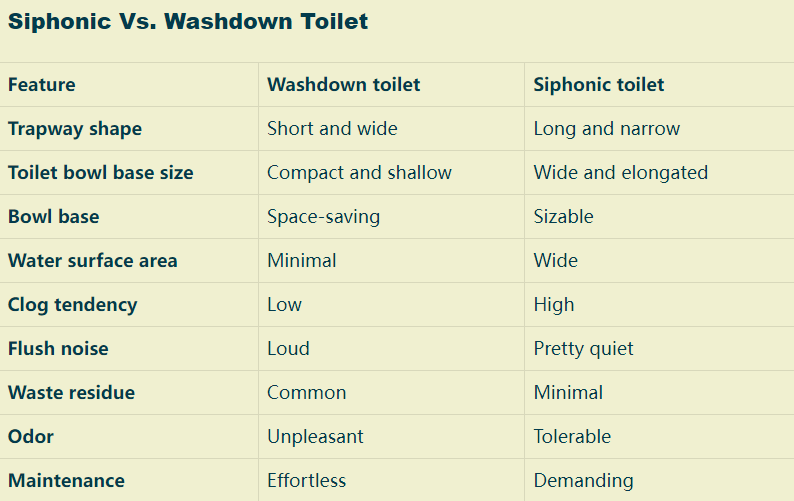
Siphonic Vs. Washdown Toilet

Siphonic and washdown toilets are the most common types on the market. Both have several advantages and downsides, so you can compare them and decide which version is better for your home. Before purchasing, it is crucial to consider the number of family members, the bathroom size, and toilet preferences.
Bowl Size
A siphonic toilet requires a sizable, elongated bowl to allow proper water filling and flush. Therefore, you need a larger bathroom for this bowl type. On the other hand, a washdown toilet bowl is compact and shallow, making this model suitable for smaller spaces.
Since most Europeans prefer smaller toilet bowl models, you can typically find washdown toilets there. Sizable bathrooms in the US provide enough space for the siphonic toilet, making it a preferable option.
Trap Way
Siphonic toilets have long and narrow S-shaped trap ways, increasing their tendency to clog often. They also leave more water in the toilet bowl after flushing.
Washdown toilets come with short and wide trap ways and are not prone to clog but leave less water in the bowl. The most annoying thing about this toilet model is consequential water splashing.
Outlet
Washdown toilets need an 8 to 12 inches (20.3 – 30.5 cm) outlet between the wall and center. Siphonic toilets are more space demanding and require a 12 inches (30.5 cm) outlet between the wall and center.
Nowadays, many Americans want to replace their siphonic toilets with washdown models. It can be challenging because of differences in outlet sizes. Therefore, checking whether there is a possibility to make adjustments to existing units before purchasing is vital.
Water Saving
Siphonic toilets require over 6 gallons (22.7 l) of water to flush properly, and they have no option of dual flushing. They are inadequate for many countries with a mandatory 4.5 gallons (17 l) flush capacity.
Washdown toilets often have a dual flushing mechanism with 3 gallons (11.4 l) for flushing liquid waste and 6 gallons (22.7 l) of water per flush for solid waste.
Maintenance
Watermarks occurrence is a significant disadvantage of washdown toilets. Therefore, you will always notice a toilet brush in European toilets. On the other hand, they won’t clog so often like siphonic toilets, demanding disgusting cleaning jobs less often.
Spare Parts
Both toilet types require silicon or rubber washers replacement due to water impurity and limescale accumulation. Otherwise, you can face unpleasant water leaking.
Washdown toilet pieces, like an ABS plastic float valve and top button flush, rarely require replacement. On the other hand, some siphonic toilet types have a chain and float ball you often need to replace.
Summary
The toilet type seems to depend on people’s habits and the country where they live. Since Europeans tend to save water and prefer smaller bathrooms, they often choose to buy washdown toilets.
On the other hand, sizable bathrooms allow Americans to pick out the siphonic toilets, regardless of being large water consumers. They smell less, after all.