What's a WC? Water closet:
Sep 16, 2022
What's a WC?
Water closet:
Water closets are ceramic toilets. These toilets are clean and hygienic. Water closets are seated toilets. Sitting height is 400 mm (16 inches) from the ground. 400 mm (16 inches) is a common height preferred when creating a water closet toilet. The toilet will flush into a tank. This tank is ceramic or plastic. Most water closets have a plastic seat and cover. European water closets are used. Polypropylene or polyurethane toilet seats have a 10,000-use minimum life.
a toilet
WC connections, Water Closet production, Fittings & Accessories
o Seat-cover Assembled:
Floor or wall-mounted fittings:
• Water Closet designs, tests
• Water closet pros/cons/acronym
Above is a restroom's water closet. 1) Restroom 1) Seat 3) Plastic tank with toilet.
WCs
Below is a WC connection flowchart.
commode
WC will be connected to the drainage using a rubber water sealant (gasket) and fitted in-wall or floor. The water pipeline will be connected to the water tank by a plastic pipe. When someone flushes the tank, water drains. The pipeline will fill a tank. A tank float switch helps maintain water level. 6-10 litres is the typical water tank volume.
Toilet production
Sanitaryware companies make water closets. The toilet is 1200°C ceramic (2192 Fahrenheit). Sand, feldspar, and clay make up toilets. Plaster of Paris molds will create the desired toilet design. The design is then dried. The sculpture is then glazed and fired. After firing, the toilet is tested and packed.
Glazing innovations
Water Closet Accessories
Fittings & Accessories come with a WC purchase. It's
1) Fitted Seatcover
2) Wall or floor mounts
3) Tank-based flushing.
4) Waterproofing (Gasket).
Cover/Seat Assembled:
Toilets have a seat and cover. Box includes accessories.
Toilet accessories
These fittings mount the closet to the floor or wall. Floor mount closet box fitting.
Toilet floor mounts
Water Closet Designs
Different water closets exist.
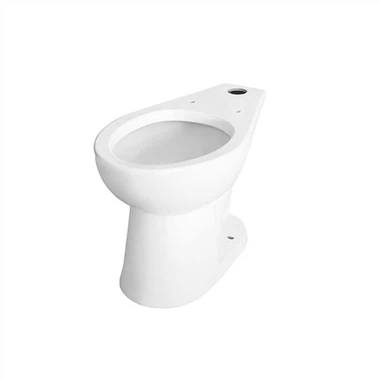
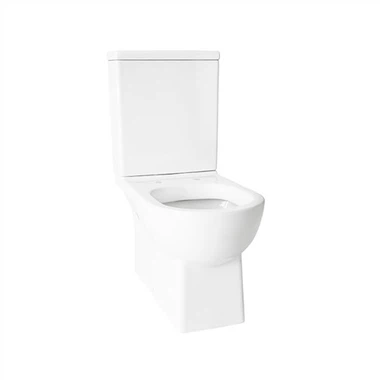
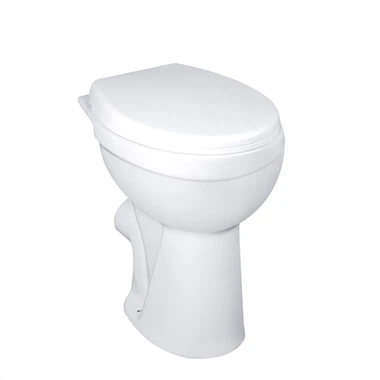
1) Toilet
2) Single-piece toilet
Three-piece toilet
4) wall-mounted toilet. S-trap WC. 7) WC 'P'
Top-brand water closet makers
Testing water closets
WCs are quality-checked after production. If it fails, the WC is unusable. FLUSH TEST
The toilet must pass inspection. 1. URINE TEST
2. STORAGE
3. SMUDGING Ball test
Double Ball Test
These tests must be undertaken using low-level cisterns according to I.S. 7714, 1984 or I.S. 7281, 1994. 30 centimeter cistern, 40 mm flushing/pipe from water closet to cistern.
TOILET PAPER TEST: Fill the water closet to its regular water seal level and crumble six pieces of toilet paper or polythene sheet 150X115 mm thick. Repeat four times, and the ware should discharge the complete paper.
HOLDING CAPACITY TEST: The water closet must be able to store at least 10 litres of water between the regular water level and the highest potential water closet as inserted.
SMUDGE TEST: The hole of the water closet's inner surface to 40 mm below the flushing, the rim are smudged with quartz powder passing through 1.18 mm I.S sieve and flushed immediately after flushing, There should be no smudge remained below.
1. DOUBLE BALL TEST: Non-absorbent balls. Ball density should be 1.075 to 1.080. Balls must have a diameter of 43+/0.5 mm and be discharged normally. 50-BALL TEST 50 non-absorbent 3.7+/-0.1 g balls. And a 20+/-0.1 mm ball must be flushed. 5-time test. Tests should fuse out 8% of balls. Here are additional Lab sanitaryware testing.
Toilets' benefits
Useful for seniors and the sick. Reduced physical activity. Cleanable. Squatting pans are dirtier.
Toilet disadvantages
Traditional methods use more water. Conventional flushing uses less water. Using WC causes knee problems, according to study.
Wc acronym
A WC European toilet: EWC Mounted Wall-hung commode WC One-piece WC Dual Two-piece toilet WC Coupled Combined WC.