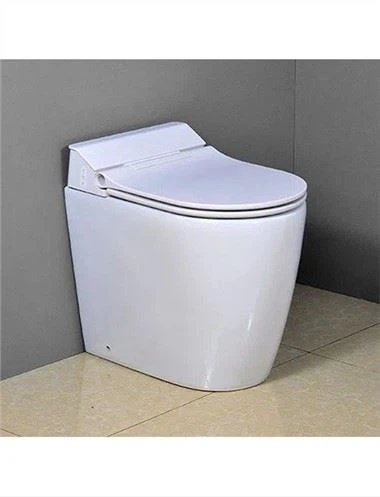
How to deal with the peculiar smell in the toilet
Nov 11, 2022
Why Does My Toilet Smell So Bad?
Do you walk into your bathroom and notice a “sewer odor” coming from your toilet? Beyond being highly unpleasant, that rotten egg odor can cause headaches and nausea. Not to mention those bad odors could indicate that sewage might be backing up into your home and causing structural damage.
If that awful odor sticks around no matter how many different toilet bowl cleaners you’ve tried or how long you keep the bathroom fan on, you might be dealing with one of these 5 problems:
Evaporated Water in P-Trap
Clogged Toilet Drain or Pipe
Bacteria in the System
Vent Pipe Problem
Damaged Sealing Ring
we’ll explain why these problems lead to foul odors coming from your toilet and offer potential solutions.
Evaporated Water in P-Trap
If the foul odor is coming from a rarely used bathroom (like a guest room or pool house) or you began smelling it after returning from a long vacation, it’s because the p-trap no longer has enough water in it. This issue is the easiest one to resolve.
What is a p-trap?

The "p-trap" is the pipe behind your toilet that dips down and returns up in a “p” shape. It blocks sewage gasses from entering your home, and can only function properly when it is filled with enough water.
When your household isn't using a toilet frequently enough, the water in the p-trap evaporates, creating a path for sewage gas and its foul odor to enter your toilet.
Solution:
Flush your toilet a few times to fill the p-trap with water again so it continues to trap and prevent gasses from coming into your home.
Clogged Toilet Drain or Pipe
If there is a clog in your toilet’s drain or pipe that isn’t taken care of, it will start to smell.
First, make sure that items that shouldn't be flushed have not been flushed, including:
Condoms
Cotton swabs
Dental floss
Tissues
Wipes
Once you’ve checked that nothing has gone down your toilet that shouldn't have, you can troubleshoot a clogged toilet by looking at the toilet’s tank water level and flapper.

Check the Water Level in the Tank
A toilet requires a lot of water to flush waste successfully. If the level of the tank water is too low, the toilet will start to clog. You can check if it’s too low by:
Lifting off the tank lid
Looking for a mark on the inside of the tank that shows how much water it should contain
If there isn’t enough water, adjust the float (which floats upwards as the water rises in the tank and closes off water flow into the tank)
Solution:
To change the float, follow the steps below:
Check what type of float you have
If you have a large rubber ball device in the tank, slightly adjust the float ball’s arm upwards so more water can enter the tank
If you have a float adjustment screw (also known as the floating cup ballcock) on top of the fill valve instead, turn the screw clockwise to raise the float
If neither of these efforts work, call a professional plumber for help
Check the Toilet’s Flapper
Find the small rubber seal (called the flapper) that covers the hole inside the toilet tank. Every time you flush the toilet, a chain lifts the flapper, allowing water in the tank to rush into the bowl. When you aren’t using the toilet, the flapper seals off the hole to prevent water from escaping the tank.
A flapper with a chain that’s too short will allow water to leak out of the tank, decreasing the amount of water needed to flush the toilet properly. Weakened flushing will continue to create more toilet clogs.
Solution:
Adjust the flapper’s chain by removing it and rehooking it to a hole nearer to your flush lever. Make sure that there is just enough slack in the chain so it fully opens when you flush the toilet.
Your flapper might also be too old or damaged and should be replaced. Contact a plumber to replace either the flapper or its chain.
Bacteria in the System
Sewage microorganisms can cling to the rim of your toilet bowl or the tank and begin to multiply. This is a common problem in Florida, because bacteria thrive in the hot, humid climate.
You can check if microorganisms are growing in your toilet by opening the tank lid. Does the smell get worse? If so, keep reading for solutions..
Solution:
Create a diluted bleach solution:
Use a mask, rubber gloves, and waterproof apron to mix a capful of bleach (5% sodium hypochlorite) in cold water (99 parts cold tap water to 1 part bleach)
Do this in a well-ventilated area
Do NOT combine this diluted bleach with other toilet cleaning detergents. (If needed, use detergents first, then rinse the area thoroughly with water before using the diluted bleach.)
Do NOT continue to use the diluted bleach after 24 hours—discard it
Get rid of unwanted bacteria in the bowl:
Pour the diluted bleach into the tank’s overflow pipe or flush valve
Wait 30 minutes and then flush your toilet to release the bleach to wipe out the bacteria and smell
Get rid of unwanted bacteria in the tank:
Drain the water in your toilet tank
Use a brush to scrub the walls with the diluted bleach solution
Wait 10 minutes and then wipe the walls carefully
Refill the tank with water
Flush the tank 2-3 times
NOTE: Do not go overboard with bleach and vinegar solutions because they can corrode your toilet and create more sewage odor problems.
If you’re uncomfortable with creating a bleach solution or aren’t sure how much bleach to use, contact a plumber to clean your toilet’s tank and bowl professionally.
Vent Pipe Problem
All toilets drain via a connected vent pipe that extends through your roof. The pipe ventilates and removes sewer gas, and allows air to enter the system so that wastewater can flow quickly through pipes and into the main sewer line.
If this vent isn’t clear or is poorly designed, it will clog, and the sewer gas won’t escape.
Solution:
A bird nest or a pile of leaves, for instance, can clog the vent pipe. Contact a professional plumber to clear it and inspect the shape of the vent pipe.
The vent pipe should have a downwards slope so that liquid and solids don't get stuck in it. If the slope doesn't point down enough, toilet water will end up stalling once it hits the clog every time you flush, and a plumber should replace the vent pipe.

Damaged Sealing Ring
A sealing ring around the base of your toilet keeps urine and other waste from entering and growing bacteria in small crevices or cracks. If the sealing ring is loose or broken, sewage gas seeps through the cracks, and you’ll smell a foul odor.
Solution:
Inspect the sealing ring for cracks. If there are cracks, apply caulk to the exposed area.
Don’t see visible cracks? Check if your toilet wobbles or rocks. If so, the sealing ring is loose and a plumber should be called to replace it.